
Legal Highs Germany
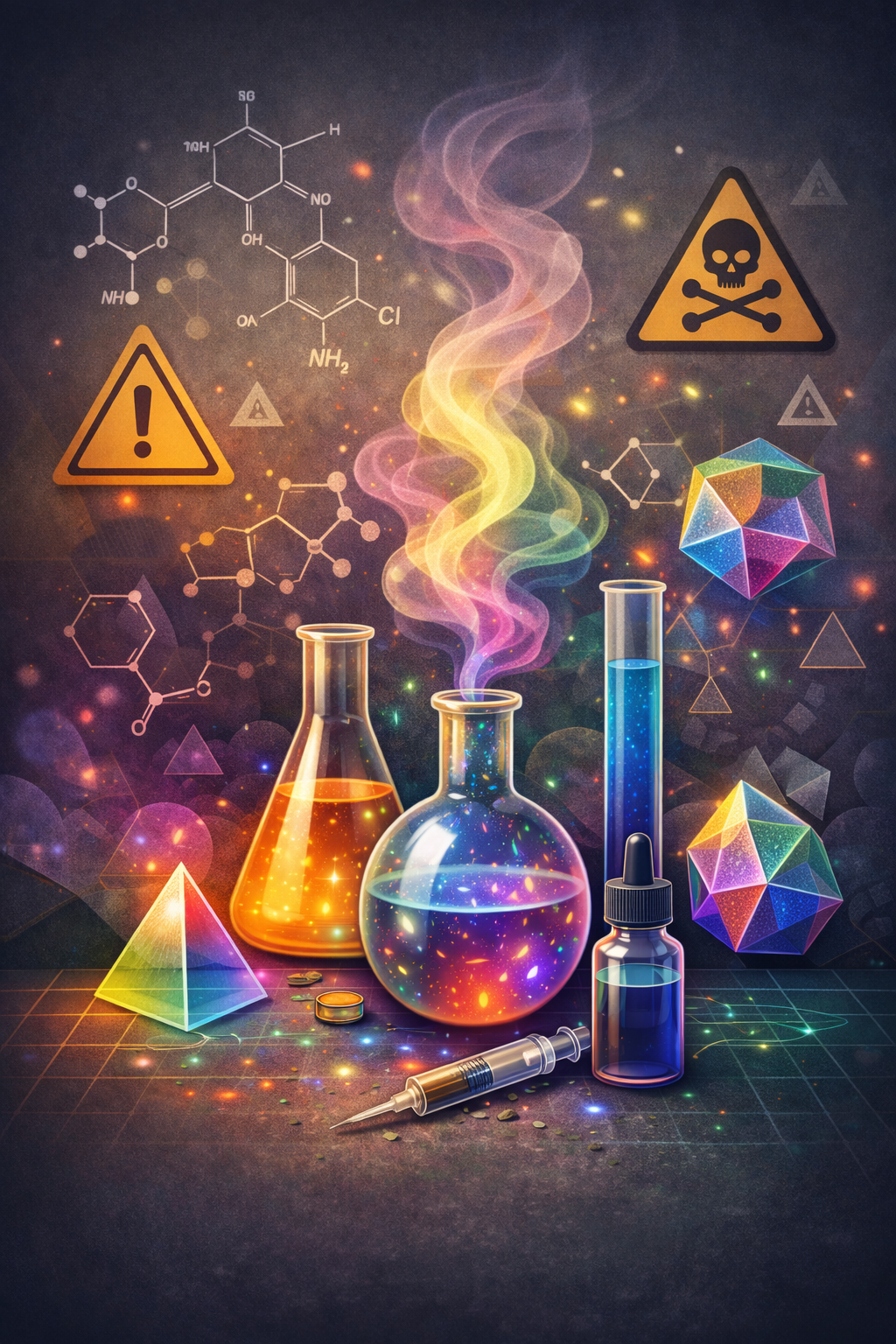
Everything You Should Know About Legal Highs and Research Chemicals in Germany
The demand for and supply of so-called “legal highs,” also known as designer drugs or novel psychoactive substances (NPS), has increased significantly over the past several decades. These substances are often marketed online under alternative labels such as research chemicals, laboratory reagents, or collectors’ items, and are typically accompanied by disclaimers stating that they are not intended for human consumption.
Germany has played a notable role in the European market for such substances due to its central location, strong chemical industry, and historically evolving legal framework. However, availability and legality have changed frequently as regulations have expanded in response to emerging substances .
What Are “Legal Highs”?
Legal highs is a non-scientific umbrella term commonly used to describe novel psychoactive substances (NPS). These are synthetic or semi-synthetic compounds designed to mimic the effects of controlled substances while initially falling outside existing drug laws.
From a regulatory and chemical perspective, these substances are composed of a wide variety of molecular structures and may be marketed under categories such as:
It is important to note that many of these products are explicitly labeled as not for human consumption and are sold for purposes such as chemical research, analytical reference, or industrial use. Any discussion of psychoactive effects reflects reported classifications or regulatory descriptions, not approved or intended use.
Historical Context: Legal Highs and Research Chemicals in Germany
Germany has a long history of chemical and pharmaceutical research, which has indirectly influenced the emergence of research chemicals within Europe. In the early 2000s, as international drug control treaties expanded, manufacturers began developing new compounds that were temporarily unregulated.
In response, Germany introduced increasingly comprehensive legislation, most notably the New Psychoactive Substances Act (NpSG) in 2016. This law shifted the legal approach from banning individual substances to prohibiting entire groups of compounds based on chemical structure. As a result, many substances previously described as “legal highs” became controlled regardless of their specific formulation.
Since then, substances marketed in Germany are often framed strictly as non-consumable materials, and enforcement agencies regularly update classifications as new compounds appear.
Categories Commonly Associated With Novel Psychoactive Substances
From an informational standpoint, substances historically associated with the legal highs market have included:
-
Herbal mixtures containing non-controlled plant material
-
Synthetic compounds sold as analytical standards
-
Laboratory reagents with psychoactive analogues
These categories are used descriptively in regulatory and academic literature and do not imply approved use, safety, or legality for ingestion.
Regulatory and Safety Considerations
Because many novel psychoactive substances emerge faster than scientific evaluation can occur, there is often limited toxicological, pharmacological, or long-term safety data available. For this reason, German and EU authorities consistently warn that such substances may pose unknown risks.
Accordingly:
-
These products are not approved as foods, supplements, or medicines
-
They are not sold for human consumption
-
Possession, distribution, or use may fall under criminal or administrative law depending on classification
Online Availability and Legal Disclaimers
Historically, online marketplaces have played a role in the distribution of research chemicals and related materials across Europe. Vendors typically emphasize:
-
Legal disclaimers regarding non-consumable status
-
Chemical purity for laboratory or analytical reference
-
Compliance with current national regulations
However, legality can change rapidly, and the presence of a product on a website does not guarantee its lawful status under German law.
Conclusion
The term “legal highs” reflects a period in drug policy history rather than a clear or stable legal category. In Germany, regulatory developments have significantly reduced the scope of substances that can be legally distributed, even for non-consumable purposes.
Today, substances formerly associated with legal highs are primarily discussed within legal, forensic, and public health contexts, emphasizing regulation, risk awareness, and the challenges of controlling rapidly evolving chemical compounds.