
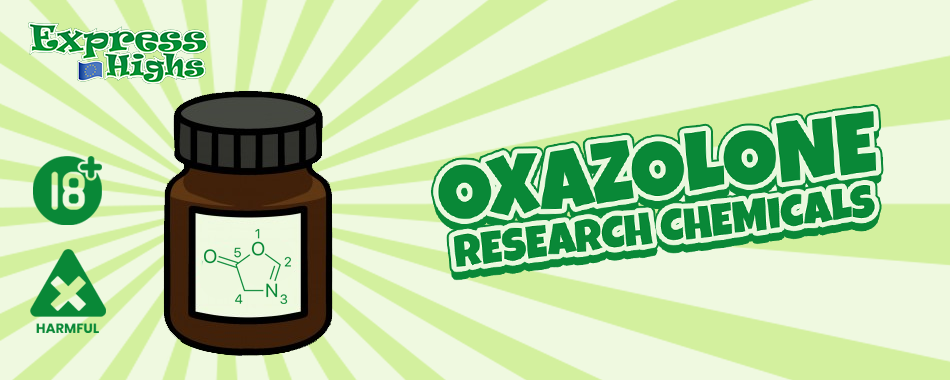
Oxazolone Research Chemicals
Refine Search

As a researcher venturing into the intricate world of chemical studies, you understand the importance of precision and reliability in choosing your research materials. Oxazolone research chemicals, with their vast applications in scientific investigations, demand careful consideration and adherence to stringent guidelines.
This article serves as an essential guide to navigating the complexities of procuring high-quality oxazolone compounds. By exploring key purchasing criteria and safety protocols, you will be better equipped to ensure the integrity of your experiments and contribute valuable insights to the scientific community. Dive into the nuances of oxazolone research chemicals to enhance the efficacy and accuracy of your work.
Understanding Oxazolone: A Crucial Research Chemical
Chemical Composition and Properties
Oxazolone is a versatile compound belonging to a class of heterocyclic organic molecules. Known for its reactive nature, this compound serves various functions in chemical research. Its structure consists of a five-membered ring incorporating nitrogen and oxygen atoms that confer a unique set of chemical properties. This structure is pivotal for researchers studying complex biochemical processes and synthetic pathways.
Applications in Research
In laboratory settings, oxazolone is frequently utilised to explore mechanisms of immune response, particularly in the study of antigenic substrates. Its application is crucial in dermatological research, where it serves as a model allergen in contact hypersensitivity assays. Oxazolone is designated strictly for laboratory use only and is not for human consumption, ensuring its use remains within controlled scientific investigations.
Considerations for Researchers
When sourcing oxazolone research chemicals, it is vital to obtain them from reputable suppliers who guarantee purity and quality. Proper storage and handling procedures are equally essential to maintain the chemical’s stability and efficacy. Following these practices helps maximise the compound’s value across scientific applications.
Guidelines for Laboratory Use Only: Safe Handling of Oxazolone
Understanding Oxazolone's Role in Research
Oxazolone is widely used in immunology and dermatology research. These chemicals are strictly for laboratory use only and not for human consumption. Their experimental applications enable scientists to explore biochemical pathways and therapeutic targets under controlled conditions.
Safe Handling Practices
- Personal Protective Equipment (PPE): Wear gloves, lab coats, and eye protection at all times.
- Proper Ventilation: Perform experiments in well-ventilated areas or fume hoods.
- Storage Precautions: Store in a cool, dry place away from incompatible substances and keep containers tightly sealed.
Risk Management and Emergency Response
- Risk Assessment: Evaluate potential hazards before beginning experiments.
- Emergency Equipment: Ensure eyewash stations and fire extinguishers are accessible.
- Spill Management: Maintain clear procedures for containment and safe disposal of spills.
Following these guidelines helps create a safe, efficient research environment while minimising risk.
Oxazolone Research Chemicals: Why They're Not for Human Consumption
Chemical Composition and Laboratory Purpose
Oxazolone research chemicals are designed specifically for scientific experimentation and laboratory investigation. Their properties make them suitable for controlled research environments rather than personal or everyday use.
Health and Safety Considerations
The toxicological effects of oxazolones outside research contexts are not fully understood. As a result, ingestion, inhalation, or direct exposure may present health risks. Strict safety protocols and protective equipment are required when handling these compounds.
Regulatory Compliance and Ethical Responsibilities
Purchasing and using these chemicals involves adherence to legal and ethical standards. Compliance protects both research integrity and researcher safety, reinforcing their exclusive designation for scientific study.
Conclusion
When working with oxazolone research chemicals, commitment to safety, precision, and ethical practice is essential. By sourcing materials responsibly, adhering to handling protocols, and maintaining thorough documentation, you strengthen both your research outcomes and the broader scientific community. Your diligence today supports the discoveries of tomorrow.